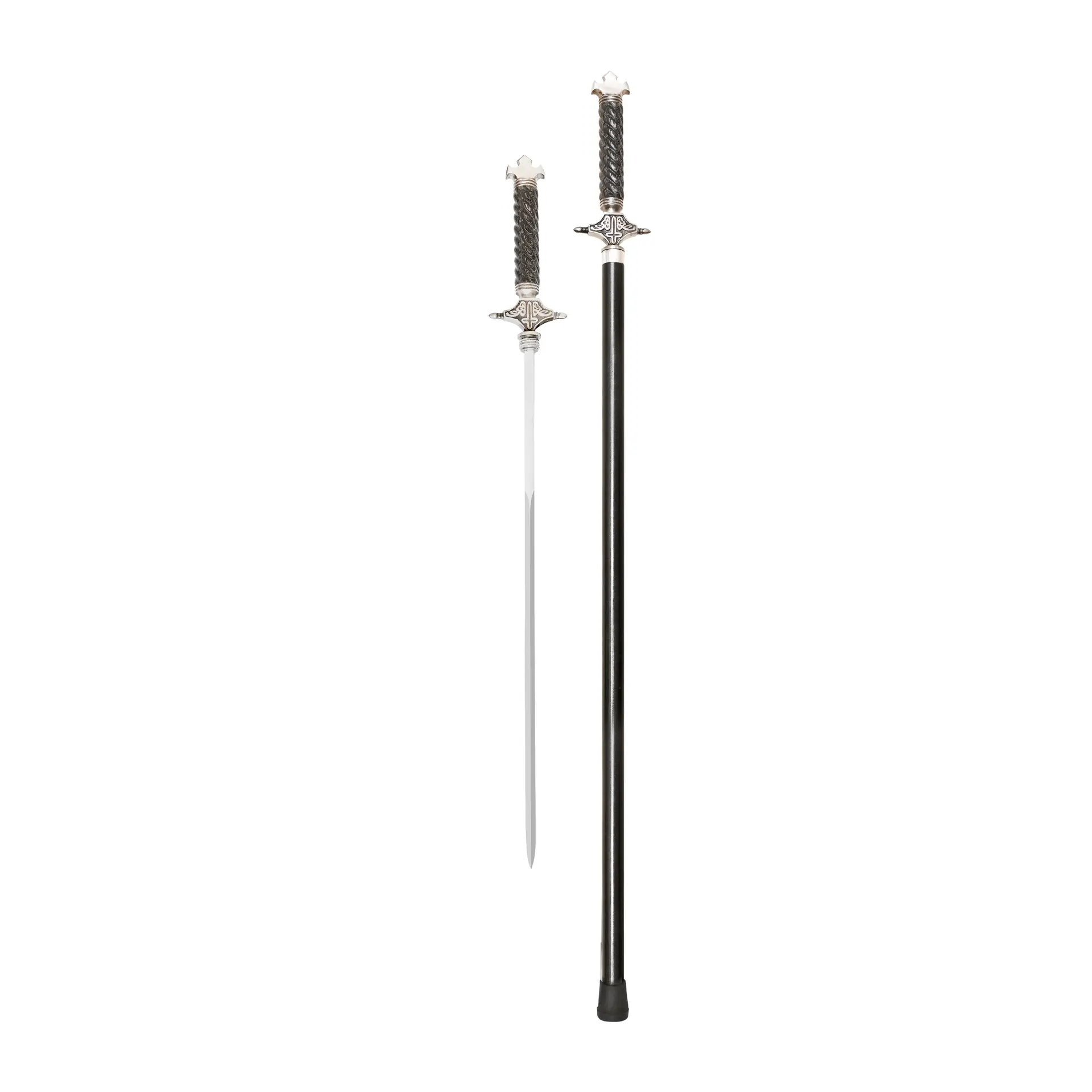
The Evolution of Sword Canes: Elegance Meets Defense
The sword cane, also known as a cane sword or walking stick sword, represents a unique fusion of fashion, function, and self-defense that captured the imagination of gentlemen for over two centuries.
Origins in 18th Century Europe
The sword cane emerged in early 1700s Europe during a period of social and technological transition. As firearms became more common, traditional swords became less practical for everyday carry. Yet the streets of European cities remained dangerous, and gentlemen still desired means of protection.
The solution was elegant: conceal a blade within a walking stick. Early sword canes featured simple designs with wooden or bone handles, containing thin steel blades ranging from 18 to 30 inches in length.
The Victorian Golden Age
The Victorian era (1837-1901) represented the peak of sword cane popularity and craftsmanship. During this period, sword canes evolved from simple concealed weapons into works of art that reflected their owner's status and taste.
Victorian craftsmen created increasingly elaborate designs:
- Handle Materials: Ivory, silver, gold, ebony, and exotic hardwoods
- Blade Quality: High-carbon steel, pattern-welded Damascus, and acid-etched designs
- Hidden Features: Some canes included additional compartments for documents, money, or even poison (though this is largely myth)
The walking stick itself became an essential fashion accessory for gentlemen, making the sword cane blend perfectly into daily life. A well-dressed gentleman wouldn't be seen without his walking stick, regardless of whether he actually needed assistance walking.
Social and Legal Context
In Victorian society, sword canes occupied an interesting legal and social space. While carrying a visible sword might draw unwanted attention or be seen as aggressive, a sword cane allowed gentlemen to remain armed while maintaining social propriety.
Different regions had varying laws regarding concealed weapons, but sword canes often existed in a gray area. They were technically concealed weapons, but their association with upper-class gentlemen often meant they faced less scrutiny than other hidden blades.
Technical Evolution
As manufacturing techniques improved through the 19th century, sword canes became more sophisticated:
Blade Design: Evolved from simple pointed thrusting blades to include cutting edges and various point styles
Deployment Mechanisms: Improved from simple pull-release to spring-assisted and quick-release systems
Materials: Adoption of better steel alloys and more durable handle materials
Weight Distribution: Better balance for use as both walking stick and weapon
Decline and Regulation
The early 20th century saw declining sword cane popularity for several reasons:
- Safer urban environments reduced the need for concealed weapons
- More restrictive concealed carry laws in many jurisdictions
- Changing fashion trends that made walking sticks less common accessories
- The two World Wars shifted weapons manufacturing to military needs
By the 1920s, sword canes had largely disappeared from everyday use, though they remained collectors' items and symbols of a bygone era.
Modern Revival
Today, sword canes experience renewed interest for several reasons:
- Historical Interest: Collectors appreciate them as artifacts of Victorian craftsmanship
- Functional Tools: Some individuals use them as practical walking aids with added security
- Cosplay and Re-enactment: Historical enthusiasts and cosplayers incorporate them into period costumes
- Artistic Appreciation: Modern craftsmen continue creating sword canes using both traditional and innovative techniques
Legal Considerations Today
Modern ownership of sword canes requires awareness of local laws, which vary significantly by jurisdiction. Many places regulate them as concealed weapons, requiring permits or prohibiting them entirely. Responsible ownership means understanding and complying with all applicable laws.
The Enduring Appeal
The sword cane endures because it represents something more than a weapon—it embodies an era when personal defense, fashion, and craftsmanship intertwined. Each piece tells a story of Victorian ingenuity and the timeless human desire to blend beauty with utility.
Whether as functional tools, collectibles, or historical artifacts, sword canes continue to captivate those who appreciate the intersection of elegance and practicality.